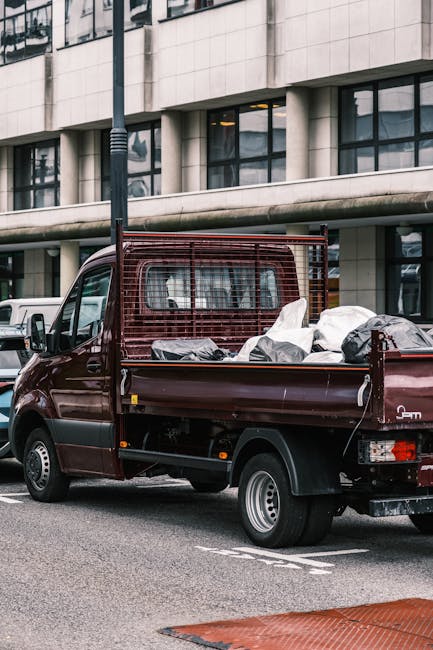
Avoid hidden fees when booking rubbish removal in Millbank

If you have ever booked rubbish removal and then felt a bit blindsided by the final bill, you are not alone. Hidden charges can creep in through access fees, labour extras, parking issues, and vague "minimum load" rules that were never made plain at the start. This guide to avoid hidden fees when booking rubbish removal in Millbank is here to help you spot the traps early, ask the right questions, and book with confidence. Millbank can be straightforward in some streets and a bit awkward in others, so clear pricing matters more than ever.
Below, you will find a practical breakdown of how pricing usually works, what to check before you book, where surprise fees tend to appear, and how to compare quotes without getting caught out. Simple, useful, no fluff. Let's get into it.
Why Avoid hidden fees when booking rubbish removal in Millbank Matters
Rubbish removal should solve a problem, not create a new one. Yet hidden fees can turn a tidy clear-out into a frustrating little puzzle of add-ons and exceptions. In a place like Millbank, where properties can range from compact flats to larger offices and older buildings with tight access, the final price can change quickly if the provider has not priced the job properly from the beginning.
Why does this matter so much? Because surprise charges usually arrive at the worst possible moment. The team is already on site, the waste is already piled up, and you are left deciding whether to accept the extra cost or delay the job. That is exactly the sort of situation careful planning is meant to prevent.
Hidden fees also make it harder to compare companies fairly. A quote that looks cheaper at first glance may be missing disposal charges, congestion-related costs, staircase labour, or extra loading time. Truth be told, those "cheap" quotes can end up being the expensive ones.
Expert summary: A clear quote is not just a nice-to-have. It is the main tool you have for keeping control of your budget, your schedule, and your peace of mind.
How Avoid hidden fees when booking rubbish removal in Millbank Works
Transparent rubbish removal pricing usually works by matching the quote to the real job as closely as possible. That means the provider should ask about the type of waste, the amount, access to the property, whether items need dismantling, and whether any materials need specialist handling.
In practice, a good booking process often looks like this:
- You describe what needs clearing, with as much detail as possible.
- The company estimates volume, weight, labour, and access requirements.
- The quote explains what is included and what could trigger an extra charge.
- You confirm the booking only when the terms make sense to you.
- The removal team arrives, checks the load against the agreed details, and completes the job.
The key thing is that the quote should reflect reality, not guesswork. A provider should be able to explain how they priced the job. If they cannot, that is a mild warning sign. Not always a deal-breaker, but worth noticing.
If you are comparing services, it helps to look at the business itself, not just the number on the page. Pages such as about the company and pricing and quotes can tell you whether the business is trying to be clear from the outset or hiding the important bits in small print. You can also check practical policies like payment and security and terms and conditions before you commit.
Key Benefits and Practical Advantages
Avoiding hidden fees is not just about saving money, although that is obviously a big part of it. It also makes the whole process calmer and more predictable. And on a busy day, that counts for a lot.
- Better budgeting: You know what the job will cost before the truck arrives.
- Fewer disputes: Clear scope means fewer awkward conversations at the kerb.
- Faster decisions: Transparent quotes make it easier to choose a provider quickly.
- Less disruption: There is less chance of the job being paused for "unexpected" extras.
- More trust: A clear process usually signals a more organised operator overall.
There is also a practical advantage for mixed-clearance jobs. If you are disposing of old furniture, broken appliances, loft clutter, or builders' waste, a straightforward pricing structure helps you see which items will fit into the agreed service and which may need specialist handling. That kind of clarity is especially helpful when you are juggling a move, renovation, or office tidy-up and do not have time for last-minute haggling.
For larger or more complex clear-outs, it can be useful to review service-specific pages like house clearance, flat clearance, or office clearance so you can match the service to the actual job. That alone can prevent a lot of confusion.
Who This Is For and When It Makes Sense
This matters for just about anyone booking waste collection in Millbank, but it is especially useful if your job is not a simple one-bin pickup. If there is a flight of stairs, no lift, awkward parking, bulky furniture, or mixed waste types, you will want pricing that is properly explained.
You may benefit most if you are:
- a homeowner clearing a loft, garage, or spare room
- a tenant moving out of a flat and trying to avoid disputes with the landlord
- a landlord preparing a property for new occupants
- a local business arranging an office tidy-up or confidential disposal
- a contractor handling builders' waste after a small refurbishment
- someone disposing of bulky items such as sofas, mattresses, or appliances
It also makes sense when you need a very specific service. For example, appliance disposal can be more complex than general rubbish, and some items need careful handling. If that sounds familiar, look at fridge and appliance removal or mattress and sofa disposal before you book. The right service choice can be the difference between a smooth pickup and a surprise fee for the wrong type of waste.
To be fair, even simple jobs can become complicated if details are missed. A single missed mention about stairs or a locked communal entrance can change the whole price. It happens more often than people think.
Step-by-Step Guidance
Here is the clearest way to keep control of your rubbish removal booking from the start.
- List everything you want removed. Be specific. "Old stuff from the spare room" is not enough. "Two wardrobes, one desk, four bin bags, and a broken chair" is much better.
- Separate general waste from specialist waste. Appliances, hazardous materials, and some bulky items may need different handling. If anything looks unusual, ask before booking.
- Describe access honestly. Mention stairs, lifts, narrow hallways, rear-entry access, parking restrictions, and any loading issues. In Millbank, access can be the hidden fee nobody wanted.
- Ask what is included in the quote. Labour, loading, disposal, parking, VAT, call-out fees, and congestion considerations should all be clear.
- Ask what could increase the price. This is the important one. A reputable provider should be able to explain the triggers for extra charges.
- Check payment terms. Make sure you know when payment is due and which methods are accepted. The payment and security page is worth reviewing if you want a sense of how a business handles that side of things.
- Get the agreement in writing. Even a concise written confirmation helps avoid confusion later.
- Do a final photo check. Snap a few pictures of the waste and access route before the team arrives. It takes thirty seconds and can save a lot of back-and-forth. Handy, really.
If you are dealing with office documents or sensitive material, separate that early and consider confidential shredding. It is far easier to keep pricing neat when the waste is correctly categorised from the outset.
Expert Tips for Better Results
Here are the small details that make a big difference. They are not glamorous, but they work.
- Ask for itemised clarity, not just a total. A provider does not need to write a novel, but the quote should make sense line by line.
- Be careful with "starting from" prices. Those can be useful for orientation, but only if the conditions are properly stated.
- Match the service to the waste type. Garden waste, builders' rubble, office rubbish, and furniture all behave differently from a pricing point of view.
- Check whether the provider explains recycling. Better waste sorting can affect how a load is processed, and a responsible business should be open about that. See recycling and sustainability if you want to understand the approach a little better.
- Watch for vague language. Words like "may," "possibly," and "subject to review" are not bad by themselves, but too many of them can hide uncertainty.
- Ask about special items early. Hazardous materials, fridges, and some furniture can create additional disposal requirements.
One practical trick: when you request a quote, write your message as if you were handing over a job to a friend who has to do it blindfolded. Where is the waste? What is it? How much is there? What makes access awkward? The more exact you are, the less room there is for guesswork. Simple, but effective.
Common Mistakes to Avoid
Most hidden-fee problems start with assumptions. People assume the quote includes everything, or assume the team will understand the access issues, or assume the price will not change because "it is only a few extra bits." That is where things go sideways.
- Not mentioning stairs or restricted access. This is a classic source of extras.
- Mixing waste types without asking first. General rubbish and specialist waste are rarely priced the same way.
- Ignoring minimum charges. Some jobs are priced by load size or minimum collection amount, so a small job may not be as cheap as expected.
- Not checking whether VAT is included. A quote can look tidy and then grow legs once tax is added.
- Leaving the quote too vague. A one-line estimate is risky if the job is not straightforward.
- Booking based on price alone. Cheapest is not always best if the terms are fuzzy.
A slightly annoying but very real issue is parking. In central London areas, logistics can matter as much as waste volume. If the vehicle needs to wait, walk far, or pay to stop, some businesses will charge more. That should be explained. If it is not, ask.
Another easy-to-miss point is whether the provider will remove everything in one visit or whether they might require a second trip if the load is bigger than expected. That can affect price. It is worth spelling out early, even if it feels a bit overcautious.
Tools, Resources and Recommendations
You do not need fancy tools to avoid hidden fees, but a few simple habits help a lot.
- Take photos of the waste. Front-on, side-on, and one wide shot of the space are often enough.
- Write a short waste list. Include item names, approximate counts, and anything unusually heavy or awkward.
- Measure access if needed. A tape measure is dull, yes, but very useful when furniture or appliances need to pass through narrow doors.
- Check the provider's policies. Pages like health and safety policy, insurance and safety, and complaints procedure can help you judge how professionally the business operates.
- Review what can go where. If you are unsure whether items are suitable for a skip-style load or a removal service, what can go in a skip can be a helpful reference point.
If you are clearing a garden shed, garage, or outdoor area, you may also find garden clearance and garage clearance useful as you plan the job. For property-wide declutters, home clearance is often the better fit. Matching the service properly reduces pricing surprises. No magic there, just common sense.
Law, Compliance, Standards, or Best Practice
When booking rubbish removal in the UK, it is sensible to use a company that handles waste responsibly and communicates clearly. You do not need to become a compliance expert, but you should expect decent basics: clear terms, honest pricing, appropriate handling of waste, and proper care around restricted or sensitive items.
For domestic and commercial customers alike, best practice usually includes:
- clear written pricing or a written quote summary
- obvious explanation of what is included
- separate treatment for specialist or potentially hazardous waste
- proper attention to site access and collection conditions
- transparent payment terms
- responsible disposal and recycling where possible
If your clearance includes business materials or sensitive records, check the business waste removal and confidential disposal options carefully. If the load includes materials that could be hazardous, such as chemicals or certain construction residues, ask specifically about hazardous waste disposal. These are the jobs where assumptions get expensive, and sometimes risky.
It is also wise to review the company's website for policy pages such as privacy policy and terms and conditions. They do not guarantee a perfect experience, obviously, but they do show whether the business has bothered to set out expectations clearly.
Options, Methods, or Comparison Table
Different rubbish removal jobs need different approaches. Here is a simple comparison to help you choose more wisely.
| Option | Best for | Hidden-fee risk | What to check |
|---|---|---|---|
| On-site rubbish removal | Mixed household, office, or bulky waste | Medium | Labour, access, and disposal inclusions |
| Furniture-specific clearance | Sofas, wardrobes, beds, tables | Low to medium | Item counts, dismantling, and stair carries |
| Appliance removal | Fridges, washing machines, white goods | Medium | Handling rules, special disposal, and weight |
| Builders' waste clearance | Renovation debris and site waste | High if poorly scoped | Waste type, rubble volume, and loading access |
| Whole-property clearance | House, flat, loft, or garage clear-outs | High without a survey | Scope, room count, and extras for access |
If you are unsure which route fits your situation, the most sensible starting point is usually the broad waste removal service, then narrowing from there. For example, a small office may need office clearance, while a refit job might suit builders' waste clearance. Pick the closest fit. It keeps pricing cleaner.
Case Study or Real-World Example
A local business in Millbank, clearing out a small office after a relocation, might start with what seems like a simple job: broken chairs, filing cabinets, packaging, and a few old monitors. Straightforward enough, right? But then the reality arrives. There is a narrow staircase, a shared entrance, a loading restriction, and a small amount of sensitive paperwork that needs separate handling.
If that company only gave a rough "office rubbish" description, the final price could easily change. But if they listed the item types, described the access, separated confidential documents, and asked whether dismantling was needed, the quote would be far more stable. That is the difference between a tidy booking and a stressful one.
We see the same pattern with domestic jobs. Someone books a loft clearance on a Friday afternoon, thinking it is just "a few boxes and some old bits." Then the team arrives and finds broken furniture, dusty bags, and a couple of heavy items that need two people to carry. The job still gets done, but the price can shift if none of that was mentioned in advance. Not ideal, but very preventable.
The best outcome is always the boring one: clear details, clear quote, no drama. Boring is underrated.
Practical Checklist
Use this before you confirm any rubbish removal booking in Millbank.
- Have I listed every item that needs removing?
- Have I described stairs, lifts, parking, and access restrictions?
- Have I separated general waste from specialist waste?
- Do I know whether the quote includes labour, loading, disposal, and VAT?
- Have I asked what might cause the price to increase?
- Do I understand the payment terms?
- Have I checked the relevant service page for a closer match?
- Do I need appliance removal, furniture disposal, or another specialist option?
- Have I reviewed the company's policies and terms?
- Have I got a written confirmation or clear booking record?
If you can tick most of those off, you are in good shape. If not, slow down a little. A five-minute check now can save you a frustrating conversation later.
Conclusion
Booking rubbish removal in Millbank does not need to be complicated, and it definitely should not come with unwelcome price surprises. The safest approach is simple: be specific, ask direct questions, check what is included, and choose a provider that explains its pricing properly.
Whether you are clearing a flat, emptying a garage, dealing with old furniture, or sorting out office clutter, the same principle applies. Transparent pricing protects your budget and makes the whole process feel far more manageable. And honestly, that is worth a lot when your day is already full.
For a smoother experience, take a moment to review the relevant service and policy pages, then book only when the quote makes sense in plain English. If the answer is still fuzzy, keep asking. Good providers will not mind.
Get a free quote today and see how much you can save.
Frequently Asked Questions
What are the most common hidden fees in rubbish removal?
Common hidden fees include access charges, stair-carry fees, waiting time, parking costs, extra labour, disposal surcharges, and added charges for bulky or specialist waste. The safest way to avoid them is to ask exactly what the quote includes before you book.
How do I compare rubbish removal quotes fairly?
Compare quotes by checking the same details each time: waste type, volume, access, labour, disposal, VAT, and any conditions that could increase the cost. A quote that is slightly higher but clearer is often better value than a vague low one.
Should I worry about VAT being added later?
Yes, it is worth checking. Some quotes appear low because VAT is not obvious at first glance. Ask whether the price you have been given is inclusive or exclusive of VAT so there are no awkward surprises.
Do stairs really affect the price?
They can. If items need carrying up or down several flights, the job may take longer and require more labour. That should be factored into the quote early, rather than added on at the end.
What if I am not sure how much rubbish I have?
Send photos and a written list, and mention anything heavy or awkward. A decent provider can usually estimate from that. If the job is large or complex, ask whether a more detailed assessment is needed.
Is appliance removal priced differently from general rubbish?
Often, yes. Appliances may involve specialist handling or disposal requirements, especially larger items. If you have fridges, freezers, or other white goods, check the appliance-specific service details before booking.
Can I avoid hidden fees by choosing the cheapest quote?
Not necessarily. The cheapest quote can be the riskiest if it leaves out important details. Look for clarity, not just the lowest number. That usually saves money in the long run.
What should I ask before confirming a booking?
Ask what is included, what might cost extra, whether VAT is included, how access affects the price, and whether special waste types need separate handling. Those five questions catch a lot of problems early.
Are there different rules for business waste?
Yes, business waste often needs a more structured approach, especially if it includes confidential records, office equipment, or mixed materials. For that reason, business customers should check the service terms carefully and separate sensitive items early.
What if the team says the price has changed when they arrive?
Ask them to explain the difference clearly and refer back to the booking details you gave. If the new charge is based on information that was not disclosed at the booking stage, that is exactly the kind of issue you want to avoid by getting better clarity next time.
Is it worth reading the terms and conditions?
Yes, even if it is not the most exciting task in the world. The terms often explain how quotes are calculated, what counts as an extra, and how the business handles changes. It is a small investment of time for a lot of reassurance.
How can I make the booking process smoother overall?
Be detailed, send photos, mention access issues, separate special waste, and confirm the price in writing. That combination keeps things tidy and makes it much easier to avoid hidden fees when booking rubbish removal in Millbank.
In the end, the best bookings are the quiet ones: clear, fair, and finished without fuss. That is the aim, and it is very achievable.