Commercial Waste Removal in Millbank
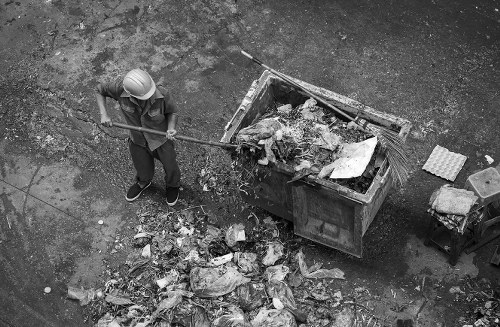
Commercial waste removal in Millbank should feel organised, steady and appropriate to the type of material your premises produce. We handle mixed business waste with a practical focus on collection, separation and disposal routes that suit offices, shops, hospitality spaces and other commercial settings. The aim is straightforward: remove unwanted waste efficiently, keep the process clear for staff, and make it easier to maintain a tidy working environment without disrupting day-to-day operations.
Our service is built around the routine demands of business premises, including recurring waste streams and occasional clearances that need a more flexible approach. We can support the removal of office rubbish, redundant furniture, packaging, filing, appliance items and other non-domestic waste that needs to leave the site promptly. If you need a quotation, get in touch and tell us what needs moving so the work can be matched to the job properly.
For a clearer picture of what is available, the pages on business waste removal and office clearance explain two of the most relevant commercial services. They are useful starting points if you are comparing regular collections with one-off clearance work, because the right option often depends on how the waste is stored, how much is involved, and whether items need to be sorted before removal.
Waste handling for offices, shops and premises with mixed loads
Commercial waste can include a wider range of items than domestic rubbish, so the service needs to stay adaptable. In practice, that means dealing with paper, cardboard, broken fixtures, end-of-line stock, redundant display units and general non-hazardous waste from business activity. A well-planned collection keeps the load manageable and helps avoid unnecessary handling inside the premises. Where useful, we can separate different waste types so disposal is more straightforward.
Some premises produce waste that is light but bulky, while others generate heavier loads from storage rooms, back-of-house areas or refurbishments. The service can be adapted to suit these differences, rather than trying to treat every job as the same. If you are arranging a clear-out, a useful first step is to identify what is waste, what should stay, and what might need careful handling. That small distinction often makes the collection smoother and the quotation more accurate.
Commercial sites often need decisions made quickly, especially when storage space is limited. A concise list of the main items, the approximate volume and any access considerations is usually enough to scope the work properly. If you are ready to proceed, use the contact route on the site to request a quotation. It is also worth reviewing the pricing and quotes page if you want to understand the factors that shape the final figure before you send details through.
Furniture, fixtures and bulky items from business premises

Offices and commercial premises often need bulky items removed alongside everyday waste. Desks, chairs, storage cabinets, reception furniture and similar items can take up valuable floor space long after they have stopped being useful. Our commercial waste removal service can include these objects where they form part of a wider clearance, helping businesses deal with replacements, refurbishments or routine office changes without leaving heavy items behind.
Bulky item removal works best when the access route is clear and the items are separated from smaller rubbish in advance. That does not mean everything must be arranged perfectly, but it does help to know whether furniture is assembled, whether it needs to be taken from upper floors, and whether it has to pass through narrow corridors or shared areas. Clear access details reduce delays and make it easier to match the collection to the site conditions.
Some business furniture can be reused, recycled or sent to the appropriate disposal route depending on its condition and material. If a premises manager is planning several changes at once, it can be practical to group furniture removal together with general commercial waste so the site is cleared in one pass rather than in stages. Where you need more detail on item-specific removals, the page for furniture clearance gives a useful overview of that service area.
Clearance work for storage rooms, back offices and overflow spaces
Commercial waste removal is often needed when storage areas have filled with outdated stock, packing materials or items that have been kept “for later†and now need to go. These spaces can become awkward to work in, so the removal plan should focus on practical access and efficient sorting rather than on moving everything repeatedly. A tidy clearance makes it easier to reclaim storage space and reduce the build-up of surplus material.
Back-office clearances may involve a mix of paperwork, shelving, small equipment and boxed contents that no longer serve a purpose. In those settings, the priority is usually to remove the waste while keeping any reusable files, records or equipment separate. For that reason, commercial clearances should be discussed with enough detail for the disposal method to be appropriate. If paperwork needs secure handling, you may also want to look at confidential shredding so sensitive material is treated correctly.
Useful information to include when asking for a quotation:
- the type of business waste that needs removing
- an estimate of how much space the items occupy
- whether the waste is stacked, bagged or loose
- any stairs, lifts, loading restrictions or shared access points
- whether the clearance is one-off or part of a regular pattern
What affects the scope of a commercial waste quotation
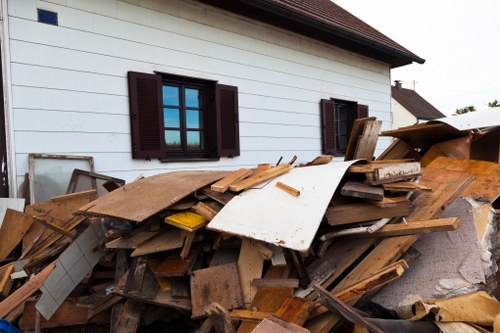
Quotation details for commercial waste removal are usually shaped by the quantity of material, the type of items, and the ease of access on the day. A collection involving light bagged rubbish may be very different from one involving furniture, appliances or mixed bulky waste. The more precisely the load is described, the easier it is to assess the work sensibly and avoid unnecessary assumptions. That is especially true where the premises are shared or access is time-sensitive.
Another factor is how the waste is presented. Items already gathered in one area can be simpler to remove than material spread across several rooms, cupboards or floors. If staff can group waste together in advance, the collection may be easier to organise. If that is not practical, the service can still be planned around the site as it is. The important point is to describe the job honestly and plainly, rather than trying to make it sound smaller or tidier than it is.
For businesses comparing service options, the waste removal page provides a broader route into the main service, while the about us page gives company background if you want to know more about the wider business before requesting a quotation. If you already know the main items involved, send those details through and ask for a price based on the actual load rather than an estimate built on guesswork.
Preparing a workplace for collection
A little preparation can make a commercial collection run more smoothly without turning it into a major task. It is usually enough to separate waste from items that are staying, unlock relevant rooms or cupboards, and make sure the route out of the building is workable. If the premises are busy, it can also help to choose a time when staff movement will not interfere with the removal. These steps are practical rather than complicated, and they often make the job more orderly.
If photographs are available, they can help show the scale and type of waste, especially where the collection involves several different categories of item. A short written description is also useful: what needs removing, where it is located and whether anything needs careful handling. Do not overcomplicate the enquiry; clear, factual information is better than a long explanation. If you are still deciding what should remain on site, that can be mentioned as part of the request.
When the load includes commercial fittings or obsolete office contents, it may be worth grouping the job with a related service page such as flat clearance only if the premises genuinely involve residential-style contents in a mixed-use setting. Otherwise, keep the request focused on the commercial material itself. The most useful quotation is the one that reflects the real work, not a vague description of a general tidy-up.
Commercial waste removal for different site types
Different businesses create different waste patterns, and a sensible removal service needs to respect that. An office may generate paper, old chairs and archive material, while a shop might need packaging, display units or broken stock moved away. Food-related premises, managed buildings and service firms can each have their own waste mix as well. The goal is to remove what is no longer needed in a way that suits the site rather than forcing every job into the same shape.
Where the waste is mostly non-hazardous and ready for collection, the process is usually straightforward. Where there are mixed contents, awkward access points or items that need separate treatment, a little more planning may be needed. That does not have to make the job difficult; it simply means the quotation and the collection should be based on the actual conditions. For broader household-style clearances, the home clearance and house clearance pages show how related removal work is organised in other settings.
Commercial waste removal is most useful when it helps the premises keep moving: stock can be cleared before new deliveries arrive, old furniture can leave before replacements come in, and surplus material can be taken away before it becomes a storage problem. If that sounds like the sort of support you need, ask for a quotation and include a simple list of the items involved so the work can be priced sensibly.
About Millbank
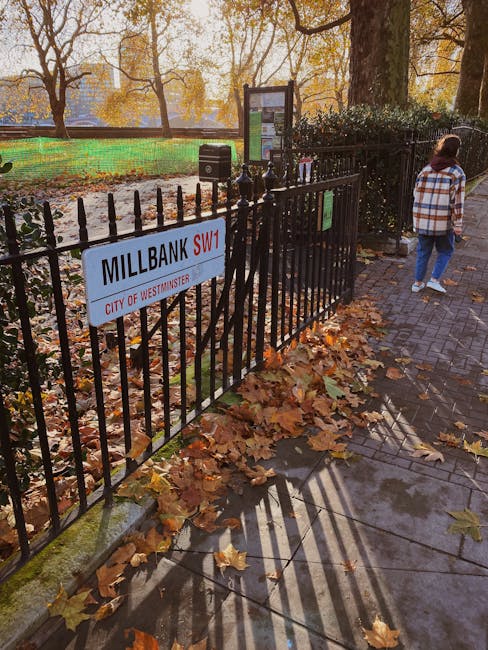
Millbank is an area on the north bank of the River Thames in central London, within the City of Westminster. Its setting beside the river has long shaped its character, with broad routes, government buildings and institutional landmarks standing close to the water. The name is associated with the historic Millbank Prison, which occupied a large riverside site in the nineteenth century, and later with Tate Britain, one of the best-known cultural buildings in the area. Today the district combines office use, civic functions and stretches of residential and educational development, creating a landscape that feels formal in some places and quieter in others. The river edge remains a major reference point, while streets inland carry the geometry of central London planning, with terraces, apartment blocks and administrative buildings arranged around wide roads and smaller side streets. Transport connections nearby make the area closely linked to the wider Westminster and Pimlico district, yet Millbank keeps a distinct identity through its riverside alignment and concentration of national institutions. Its architecture mixes stone-fronted public buildings, post-war redevelopment and later commercial properties, so the area presents a layered view of central London’s changing functions. Green space is more limited than in suburban districts, but the Thames path and nearby gardens provide a sense of openness, while the public and cultural buildings contribute to a steady daytime atmosphere. As a result, Millbank reads as a place where history, administration and urban riverfront planning sit alongside one another rather than being separated into clear zones.
Business waste routines and recurring collections

For some premises, commercial waste removal is not only about a one-off clear-out but also about keeping routine waste under control. Businesses that regularly produce packaging, outdated paperwork, damaged stock or service-area rubbish often benefit from a collection pattern that fits the way they operate. The service can be arranged around changing volumes, seasonal peaks or scheduled premises changes, provided the waste is described clearly and the access arrangements are sensible.
Recurring collections are most helpful when the site produces enough waste to create pressure on storage but not so much that a full reorganisation is needed every time. In those cases, the work is about maintaining order rather than waiting for the premises to become overloaded. If you are comparing removal options, it may help to think about whether you need a one-off intervention or a repeatable arrangement for the same type of waste. Either way, the aim is to keep the site workable and avoid unnecessary build-up.
When you are ready to request a quotation, keep the message concise and practical: describe the waste, note the site type and mention any access limitations or time constraints. If you would like to explore related services before contacting us, the pages for builders waste clearance, garage clearance and recycling and sustainability may help you decide which route suits the material best. Otherwise, send the details you have and ask for a quotation today.