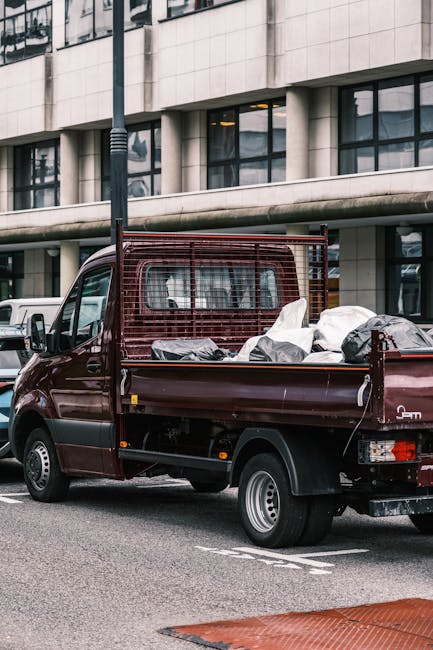
Horseferry Road quick rubbish pickup for Millbank businesses

If you run a business near Horseferry Road, you already know how quickly rubbish can pile up. One delivery box too many, a strip-out after a refit, a burst of office churn, and suddenly the back room feels like it is shrinking by the hour. That is where Horseferry Road quick rubbish pickup for Millbank businesses becomes less of a convenience and more of a practical necessity.
This guide explains how fast commercial rubbish collection works in the Millbank area, what types of waste it suits, how to avoid common headaches, and what good service actually looks like on a busy London street. You will also find a checklist, comparison table, compliance notes, and a realistic example to help you decide the smartest next step. Straightforward stuff. No fluff.
Why Horseferry Road quick rubbish pickup for Millbank businesses Matters
Millbank is one of those parts of London where timing matters. Shops, offices, hospitality venues, studios, managed buildings, and contractor sites all tend to work on tight schedules, limited storage, and not much spare pavement space. If waste sits around too long, it does not just look untidy. It can interfere with deliveries, irritate staff, complicate access, and make a small problem feel weirdly bigger by the day.
Quick rubbish pickup matters because business waste rarely arrives in neat little bags. It arrives after a refurbishment, during a stock refresh, after a filing purge, at closing time, or in the middle of a very ordinary Tuesday when someone decides the old furniture has finally had its last life. The need is often urgent, but not dramatic. That is the point. Good rubbish pickup solves the dull, messy, real-world problems that keep a business moving.
There is also the reputational side. Customers, tenants, and staff notice clutter. A clean frontage near Horseferry Road gives a calmer impression, especially where footfall, shared entrances, and professional services are involved. To be fair, nobody ever walks past a tidy site and complains that it looked too organised.
For many Millbank businesses, quick pickup is also about reducing operational friction. If waste is removed promptly, your team can use the space properly again, cleaners can do their jobs more effectively, and you spend less time improvising around a pile of broken chairs or packaging. Small win, but a real one.
If you are dealing with broader commercial clearance needs, it can also help to review related services such as business waste removal and general waste removal so you can match the service to the job rather than forcing one method to fit everything.
How Horseferry Road quick rubbish pickup for Millbank businesses Works
At a practical level, fast commercial rubbish collection is usually built around speed, access, and separation of waste types. A business contacts the provider, describes what needs taking, and gets an estimate based on the volume, material type, and how much labour is involved. Then a collection window is arranged, often with the option of same-day or next-day attendance if the schedule allows.
In many cases, the process is simpler than people expect. The crew arrives, assesses the load, confirms what can go, and removes it from the premises. If access is straightforward, the pickup can be very quick indeed. If there are stairs, locked courtyards, loading constraints, or mixed materials, it still tends to move faster than a skip-based alternative because the waste is loaded and taken away in one visit.
What makes Horseferry Road pickups particularly useful is that they often suit tight urban access. Businesses in Millbank do not always have the luxury of a service yard or a big frontage. A well-planned pickup can work around building entry points, concierge requirements, lift restrictions, and the practical realities of central London traffic. That sort of detail matters more than people realise.
Many businesses also want a little extra certainty before they book. That is sensible. You should be clear on what is included, what happens if the waste turns out to be more than expected, and whether any special handling is needed. If you want to check service terms and booking conditions in advance, it is worth reading the site's terms and conditions and looking at the company's approach to pricing and quotes.
One thing people sometimes miss: quick pickup does not mean careless pickup. A professional team should still sort, handle, and transport waste responsibly. That includes separating recyclable material where possible, and being cautious with items that need special treatment. More on that later.
Key Benefits and Practical Advantages
Fast rubbish pickup is not just about removing things. It helps restore momentum. That may sound a bit grand, but it is true. Once waste stops blocking a room or back entrance, the rest of the work can move again.
- Less disruption: Staff can keep working without stepping around bulky items or overflowing bins.
- Better presentation: Front-of-house areas, office floors, and shared spaces look cleaner and more professional.
- Faster turnaround after projects: Refits, moves, and clear-outs can be finished without waiting for a skip to fill.
- Flexible access: A collection team can adapt to tight access points, which is helpful in a built-up area like Millbank.
- Reduced storage pressure: You do not need to keep waste on-site for long.
- Improved safety: Clearing trip hazards, splinters, packaging, and sharp edges reduces avoidable risks.
There is a quieter benefit too: decision fatigue drops. When rubbish sits around, someone on the team ends up thinking about it every day. It becomes a background annoyance. Remove it, and the whole place feels lighter. You notice it especially in offices and small retail spaces, where clutter can make the room feel oddly louder.
If your waste includes old desks, chairs, or reception furniture, it may be worth pairing quick pickup with a more specific clearance service such as office clearance or furniture disposal. Matching the service to the material usually leads to smoother logistics and fewer surprises.
For businesses aiming to improve their environmental handling as well as their operations, a provider's recycling approach matters. You can also review recycling and sustainability to understand how material recovery may be handled.
Who This Is For and When It Makes Sense
This type of pickup is a good fit for a wide range of Millbank businesses, especially where speed and access are more important than volume. If any of the situations below sound familiar, you are probably in the right territory.
- Offices clearing old chairs, filing cabinets, packaging, and refurbishment waste.
- Shops and showrooms that need display units, cardboard, or obsolete stock removed quickly.
- Cafes, restaurants, and hospitality venues dealing with broken furniture, appliances, or post-service build-up.
- Property managers handling ad hoc rubbish from common areas or tenant churn.
- Contractors and fit-out teams who need waste gone between work stages.
- Landlords and managing agents clearing leftover items after occupants move out.
It makes sense whenever time matters more than waiting for a container or when the site cannot comfortably store a large skip. That said, if you are dealing with a very large load or an extended project, another method may be better. A quick pickup is ideal for urgency and convenience, but not every job is an emergency.
For example, if a small practice on Horseferry Road is replacing a few office stations, pickup is usually perfect. If a building project is generating continuous rubble for two weeks, then the answer may lean toward a more construction-focused solution like builders waste clearance.
And if the waste is a mix of commercial and domestic items from a residential-style unit, the right route may sit somewhere between flat clearance and business waste support. Not glamorous, but useful.
Step-by-Step Guidance
Here is a simple way to plan a quick pickup without turning it into a mini project of its own.
- Identify the waste clearly. Separate general rubbish from bulky items, electricals, confidential papers, and anything that may be hazardous.
- Estimate the volume. Think in terms of bags, boxes, desks, chairs, or van-load size. A rough description is often enough to begin with.
- Check access. Note stairs, lifts, loading restrictions, parking pressure, reception procedures, or site rules.
- Decide on timing. Ask whether you need same-day removal, early morning collection, or a quieter off-peak slot.
- Confirm any special waste. Items such as fridges, appliances, or hazardous materials need extra care.
- Get the quote in writing. Make sure the pricing logic is clear before the team arrives.
- Prepare the space. Move waste into one accessible area if you can do so safely.
- Attend the handover. Someone knowledgeable should be available to answer questions if the crew needs to check item types.
- Request paperwork if needed. Keep any receipt, job note, or waste transfer documentation for your records.
That last step is easy to forget when the site finally feels calm again. But it is worth keeping your paperwork tidy. Future-you will thank present-you. Probably quietly, but still.
Expert Tips for Better Results
Over the years, one thing becomes obvious: the smoothest pickups are usually the ones where the business does a little preparation upfront. Nothing fancy. Just sensible groundwork.
Keep waste segregated where possible. If cardboard, general rubbish, metal, and furniture are all mixed together, the process can still work, but it may be slower. Separation helps with recycling and keeps the pickup cleaner.
Photograph awkward items. If you are unsure how something should be described, a couple of clear photos help. This is especially useful for bulky items, appliances, and mixed loads.
Be honest about access. A "quick" job can turn into a delay if the team arrives and discovers a locked loading bay or a lift that is too small for a sofa. Better to mention the awkward bit now than apologise later.
Plan around trading hours. A 7:00 am collection can be a dream for some businesses and a nightmare for others. Choose a window that works for the people actually on site.
Think about future waste patterns. If this is the third time in two months you have needed urgent pickup, it may be worth setting up a more regular commercial waste arrangement instead of treating everything as a one-off emergency.
Ask about specialist handling where relevant. If your job includes confidential paper, appliances, or items with contamination risk, use the relevant service rather than hoping for the best. You do not want a fridge, a bundle of files, and a broken chair all muddled together in a way that makes life harder for everyone.
For paperwork and confidential material, a service like confidential shredding can be a much better fit than ordinary disposal. Likewise, if you are dealing with cooling units or white goods, see fridge and appliance removal.
Common Mistakes to Avoid
Most problems with rubbish pickup are not dramatic. They are small, avoidable things that snowball into delay or extra cost.
- Underestimating the load: "It's only a few bits" is how a full van becomes a surprise.
- Ignoring access issues: Tight stairwells, permit needs, and service entrance rules matter.
- Mixing special waste with general waste: Hazardous items, electricals, and confidential documents need proper handling.
- Leaving booking too late: If you need a same-day clearance, do not wait until the site is closing.
- Not assigning a site contact: Someone should be responsible for answering access or item questions.
- Assuming all rubbish is the same: It is not. Material type affects how it is handled, priced, and processed.
One mistake that catches people out in Millbank is forgetting how busy the area can be at certain times. A collection that seems simple on paper may be awkward if it clashes with deliveries, building access, or a nearby event. Little things. London does enjoy little things becoming large things.
Tools, Resources and Recommendations
You do not need complicated software to organise rubbish pickup, but a few practical tools can make the whole thing calmer.
- Phone photos: Ideal for showing item type, volume, and access conditions.
- Short inventory list: Even a basic note in your phone helps avoid omissions.
- Site access notes: Door codes, loading bay instructions, lift restrictions, and reception procedures should be written down.
- Internal sign-off trail: If more than one person approves spending, keep the quote and acceptance clearly documented.
- Waste segregation bins or tubs: Helpful for separating cardboard, plastics, and reusable material before collection.
On the website, a few pages are especially helpful depending on what kind of job you are planning. If your pickup is part of a broader commercial clean-out, business waste removal and office clearance are good starting points. If the issue is mixed household-style or furniture waste from a premises conversion, furniture clearance may be more relevant.
It is also sensible to review the company's policies on health and safety and insurance and safety if you want reassurance around working practices. Small detail? Yes. But a useful one.
Law, Compliance, Standards, or Best Practice
When business waste is involved, compliance is not something to leave until the last minute. You do not need to become a legal expert, but you do need sensible process and basic diligence.
In UK commercial settings, the key idea is simple: waste should be handled by a competent carrier and managed responsibly from collection to final treatment. Businesses should keep records where appropriate and make sure waste is not handed over casually to anyone who "can take it away". That sort of shortcut can create avoidable risk.
Best practice usually includes:
- checking that the service is suitable for your waste type
- identifying any special or restricted materials in advance
- keeping a clear record of what was removed
- using proper handling for electrical items, confidential documents, and potentially hazardous waste
- ensuring staff understand where waste should be placed before collection
If you have unusual items, do not guess. Hazardous materials and tricky waste streams should be discussed before collection. For example, chemicals, contaminated materials, or certain site waste may need a dedicated route such as hazardous waste disposal. It is better to slow down for ten minutes than speed into the wrong solution.
For businesses that want to reinforce internal governance, the site's pages on payment and security and about us can also help build confidence in how the service is run. Not because every reader will study them line by line, but because trustworthy businesses like to know who they are dealing with.
Options, Methods, or Comparison Table
Choosing the right waste solution depends on size, speed, and the kind of material you need cleared. Here is a simple comparison to make the decision easier.
| Method | Best for | Strengths | Limitations |
|---|---|---|---|
| Quick rubbish pickup | Urgent, mixed, or bulky business waste | Fast, flexible, good for tight access | May not suit very large ongoing jobs |
| Skip hire | Longer projects with steady waste generation | Good for staged work, can stay on-site | Needs space, permits may be relevant, waste must be loaded by the customer |
| Scheduled business waste collection | Recurring day-to-day waste | Predictable, structured, reliable for routine waste | Less ideal for sudden bulk clear-outs |
| Specialist clearance | Furniture, appliances, builders waste, or sensitive items | Tailored handling, better for specific waste types | Not always the fastest choice for small mixed loads |
If you are unsure where your job sits, ask yourself a simple question: is this a routine stream of waste, or is it an awkward, one-off pile that needs to disappear soon? That answer usually points you in the right direction.
For a quick sense check on skip suitability, the page on what can go in a skip is also useful. Sometimes a skip is right. Sometimes it is overkill. Sometimes it is a bit of both, which is annoyingly common.
Case Study or Real-World Example
Imagine a small consultancy near Horseferry Road finishing a modest office refresh on a Thursday afternoon. Two old desks, several chairs, a stack of packaging, a broken pedestal unit, and a few bags of mixed office waste are sitting in a meeting room that should be back in use by Monday. The team cannot afford to leave it until next week, and there is no room for a skip outside without causing access headaches.
They arrange a quick pickup for the following morning. Before the crew arrives, staff move everything into one accessible area near the entrance. The collection is completed in a single visit, and the meeting room is usable again by lunchtime. Simple. A little boring, in the best way.
What made that job work well?
- the waste was described clearly upfront
- access was explained honestly
- the team prepared the items in advance
- the collection type matched the size of the job
Now imagine the same scenario without preparation. The crew turns up, discovers a locked internal door, two extra filing cabinets, and an appliance that should have been declared separately. The pickup still happens, but the timing slips. It is rarely chaos, just friction. And friction is exactly what good rubbish pickup is meant to remove.
Practical Checklist
Use this quick checklist before booking:
- Have you identified every item that needs removing?
- Is anything hazardous, confidential, or electrical?
- Do you know the approximate volume?
- Have you checked access, parking, and loading restrictions?
- Is there a site contact available during the collection window?
- Do you need same-day, next-day, or timed collection?
- Have you confirmed the quote and what it includes?
- Have you separated recyclable or reusable materials where practical?
- Do you need related services such as confidential shredding or appliance removal?
- Have you saved any paperwork for records?
Expert summary: For Millbank businesses, the best rubbish pickup is usually the one that removes disruption as well as waste. Clear the access, describe the load honestly, and match the service to the material. That is the formula that saves time, money, and a fair bit of stress.
If you are still comparing options, it can help to start with a service overview and then narrow down from there. A general commercial solution like waste removal may be enough for many jobs, while more specific clearances suit furniture, office contents, or site waste better.
Get a free quote today and see how much you can save.
Conclusion
Horseferry Road quick rubbish pickup for Millbank businesses is really about one thing: keeping work moving. Whether you are clearing an office, refreshing a shop, managing contractor debris, or simply trying to stop a back room from becoming a storage graveyard, fast collection gives you back space and headroom. That matters more than people think.
The best results usually come from a calm, practical approach: describe the waste clearly, check access, choose the right service, and make sure any special items are handled properly. Do that, and the process is usually refreshingly uneventful. Which, in rubbish removal, is a compliment.
And if your business needs a more tailored solution, there is no harm in looking at supporting pages such as office clearance, builders waste clearance, or business waste removal to see what fits best. The right choice tends to feel obvious once the details are laid out properly.
In a busy part of London, a clean, usable space is more than tidy optics. It makes the day feel lighter. That is worth sorting, properly and soon.
Frequently Asked Questions
What counts as quick rubbish pickup for a Millbank business?
It usually means a fast-response collection for commercial waste, bulky items, packaging, office clutter, or mixed rubbish that needs removing without waiting for a long booking cycle.
Can I get same-day rubbish pickup near Horseferry Road?
Sometimes, yes. It depends on availability, access, the amount of waste, and how clearly the job is described. Same-day collection is most realistic when the load is straightforward and the site is ready.
Is quick pickup better than skip hire for small business clear-outs?
Often it is, especially if space is tight or you need the waste removed in one visit. Skip hire can make sense for longer projects, but quick pickup is usually more convenient for one-off commercial clearances.
What types of waste can usually be collected?
General business rubbish, office furniture, packaging, cardboard, mixed non-hazardous waste, and many bulky items are commonly collected. Special items such as fridges, appliances, and hazardous materials need separate checks.
Do I need to separate waste before collection?
Not always, but it helps. Separating recyclables, furniture, confidential papers, and special waste makes the collection smoother and can improve recycling outcomes.
How should I prepare my office or shop before the crew arrives?
Move waste into one accessible area if safe to do so, confirm access instructions, clear any obstacles, and make sure someone is available to answer questions about the load.
What if I am not sure how much rubbish I have?
Use photos, rough counts, or a simple item list. A decent provider can usually estimate from images and a short description, then refine the quote if needed.
Can confidential papers be included in a normal rubbish pickup?
They should not be treated casually. If you have sensitive documents, use a dedicated confidential shredding service rather than putting them into general waste.
Are electrical items and appliances accepted?
Many can be collected, but they may need specific handling. Fridges and other appliances should be flagged in advance so they are processed correctly.
What should I ask before booking a collection?
Ask what is included in the quote, how access is handled, whether your items need special treatment, when the collection can happen, and what paperwork will be provided.
Will rubbish pickup disrupt my customers or staff?
It can be kept to a minimum if the timing is planned properly. Early morning, quiet-hour, or off-peak collections often work well for busy Millbank premises.
How do I know whether I need a specialist service?
If the waste is bulky, hazardous, confidential, or tied to a specific type of clearance such as office, builders, or furniture removal, a specialist service is usually the better fit.
When in doubt, keep it simple: describe the waste honestly, ask the practical questions, and choose the route that fits your site. That tends to save everyone time. And a bit of patience up front can make the whole day easier.