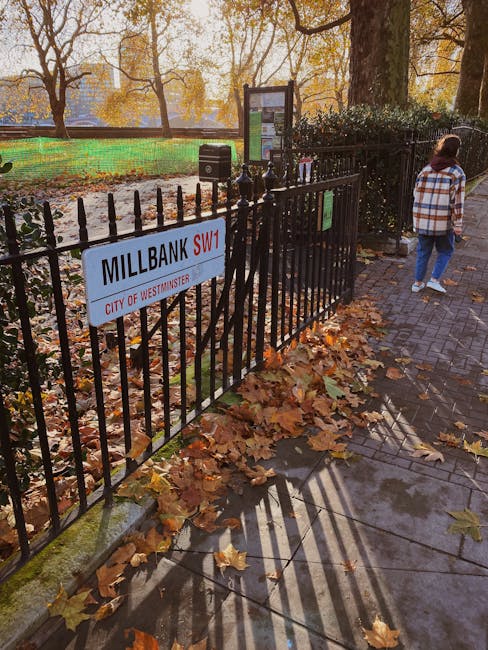
Millbank rubbish collection guide for SW1P flats and estates
If you live in Millbank, or manage a flat block or estate in SW1P, rubbish can become awkward in a way that only London living really teaches you. One bulky sofa in a narrow corridor, a stack of black bags by a service entrance, or a last-minute builders' pile after a refit - and suddenly the whole building feels messy, cluttered, and slightly tense. This Millbank rubbish collection guide for SW1P flats and estates breaks down the practical side of disposal: how collection usually works, what to plan for, where problems tend to arise, and how to keep everything safe, tidy, and compliant.
Whether you are a resident, a landlord, a managing agent, or just the unlucky person tasked with "sorting the waste this time", the goal is the same: get rubbish out efficiently without causing disruption. Let's make it easier.
Table of Contents
- Why Millbank rubbish collection guide for SW1P flats and estates Matters
- How Millbank rubbish collection guide for SW1P flats and estates Works
- Key Benefits and Practical Advantages
- Who This Is For and When It Makes Sense
- Step-by-Step Guidance
- Expert Tips for Better Results
- Common Mistakes to Avoid
- Tools, Resources and Recommendations
- Law, Compliance, Standards, or Best Practice
- Options, Methods, or Comparison Table
- Case Study or Real-World Example
- Practical Checklist
- Conclusion
- Frequently Asked Questions
Why Millbank rubbish collection guide for SW1P flats and estates Matters
Millbank sits in a part of London where space is precious, access can be tight, and people notice when waste is left in the wrong place. That alone makes rubbish collection a bigger issue than it might be in a house with a drive or a side gate. In flats and estates, rubbish is not just a "bin day" problem. It affects shared hallways, service yards, bin stores, lifts, fire routes, and the general feel of the building.
For residents, poor waste handling can mean unpleasant smells, missed collections, pests, and frustrated neighbours. For managing agents and landlords, it can create complaints, extra cleaning, and avoidable safety risks. And for contractors, it can slow down work when builders' waste, packaging, or old materials are left in the way.
The simple truth is this: in SW1P, rubbish collection has to be planned, not improvised. That is especially true for estates where multiple households share the same waste points. A good approach protects the building, keeps residents happier, and often saves time overall. Funny how the "quick fix" often becomes the expensive one, isn't it?
In practical terms, a clear collection guide helps answer the questions people ask every week: What goes where? Who books it? What happens if the lift is too small? Can bulky items be removed without blocking the lobby? Those are the questions that matter on the ground.
How Millbank rubbish collection guide for SW1P flats and estates Works
Rubbish collection in flats and estates usually follows one of a few patterns. Some buildings rely on communal bin stores and scheduled council collections. Others use private waste removal for bulk clearances, refurbishments, or overflow. Many SW1P developments use a mix of both, depending on the type of waste and how quickly it needs to go.
For everyday household waste, residents normally separate items into the building's usual waste stream. That might include general waste, dry mixed recycling, and food waste, depending on the local setup. For larger clearances, the process is different. You may need a dedicated team, a lift booking, access instructions, and a plan for loading items from the flat to the collection vehicle.
Here is what tends to happen in real life:
- A resident or agent identifies the waste type and volume.
- Access details are checked: entry codes, concierge hours, lift availability, parking restrictions, and loading distance.
- The collection is scheduled around the building's rules and quiet hours.
- Items are removed carefully from the flat or estate waste point.
- Recyclables, reusable items, and disposal-only material are sorted where possible.
- The area is left tidy, which sounds basic, but it really matters.
For mixed loads, you may also need specific handling for bulky furniture, appliances, confidential papers, or construction debris. If you are clearing a rented flat after a tenancy ends, the mix can be chaotic: a mattress, broken hangers, a stained armchair, random packaging, and maybe a half-empty office drawer nobody wants to claim. Very London. Very common.
Where possible, it helps to think in categories rather than "junk". That makes booking easier and reduces the chance of items being rejected or mis-sorted.
Key Benefits and Practical Advantages
A well-run rubbish collection process is not just about getting rid of things. It creates order. That sounds obvious, but in shared buildings the benefits are bigger than most people expect.
- Less disruption for residents: planned collection avoids bags piling up by entrances or inside corridors.
- Better building presentation: clean common areas make a stronger impression on visitors, tenants, and prospective buyers.
- Safer movement through the property: fewer trip hazards, fewer blocked escape routes, fewer awkward "just leave it there" moments.
- More efficient use of staff time: concierges, caretakers, and agents spend less time chasing waste issues.
- Improved recycling outcomes: if items are separated properly, more can be recovered or reused.
- Faster turnaround for clearances: especially useful after refurbishments, moves, or end-of-tenancy works.
There is also a financial angle, though it depends on the job. When waste is sorted properly first time, you reduce the chance of extra labour, re-bookings, or failed collections. That is why many estates prefer a structured process rather than ad hoc dumping in the nearest bin store.
Expert summary: In SW1P flats and estates, the best rubbish collection system is usually the one that keeps access clear, separates waste properly, and avoids last-minute panic. Simple, but not always easy.
If you need a broader service that covers mixed household items, it can help to review a wider waste removal option rather than forcing everything into one bin-based solution.
Who This Is For and When It Makes Sense
This guide is relevant to more people than you might think. Flats and estates generate waste in different ways, and the person who has to deal with it is not always the same person who created it. That's life in a shared building.
It makes sense if you are:
- a resident clearing out a flat before moving, redecorating, or downsizing;
- a landlord preparing a rental property between tenancies;
- a managing agent overseeing communal waste arrangements;
- a concierge or caretaker trying to keep bin stores under control;
- a contractor removing packaging, rubble, or renovation waste;
- an executor or family member handling a partial or full clearance.
It also matters when waste is bigger than the building's normal system can handle. For example, a new sofa may not fit in a service lift. A broken fridge cannot simply be left beside the recycling cages. Builders' bags, mirrors, wardrobes, mattresses, and broken shelving all create different handling needs. If you are clearing out a full flat, services such as flat clearance or house clearance may be more suitable than trying to piece everything together yourself.
One small but important point: if the waste belongs to a business rather than a household, the setup can be different. Office furniture, paper waste, and refurbishment debris may need a more commercial approach, such as business waste removal or office clearance.
Step-by-Step Guidance
A calm, organised collection is usually the result of a few sensible steps done in the right order. Nothing glamorous here. Just the stuff that prevents headaches later.
- Identify the waste type. Separate everyday rubbish from bulky items, electricals, recyclables, and anything hazardous.
- Check building rules. Look at access times, bin store procedures, lift restrictions, and whether the estate requires notice before removals.
- Measure or estimate volume. A couple of bags is not the same as a full room clearance. Be honest here; people often underestimate.
- Group items sensibly. Put furniture together, keep loose rubbish bagged, and set aside anything that needs special handling.
- Plan the route out. Think about stairs, narrow halls, corners, and whether there are protected surfaces to avoid scuffing.
- Book the right collection method. If it is a bulk load, choose a provider that can handle lifting, loading, and sorting in one visit where possible.
- Prepare the space. Clear access to doors and lifts, and make sure the collection point is not blocked by bikes, prams, or delivery crates.
- Confirm what cannot go. Hazardous items, certain appliances, and sensitive materials often need separate arrangements.
- Keep a record if you manage the building. Notes, photos, and confirmation details help if a resident later says, "That wasn't mine."
If you are dealing with furniture, upholstered items, or a mixture of usable and broken pieces, a dedicated page such as furniture clearance may be useful. For single bulky items, furniture disposal can be the more direct route.
And if the job includes a mattress or old sofa that has seen better days - we all know the type - it is worth looking at mattress and sofa disposal so the item is handled correctly.
Expert Tips for Better Results
The difference between a smooth collection and a messy one is usually in the details. Not big dramatic things. Small ones.
- Label problem items before collection day. A short note on an appliance or wardrobe saves time if multiple flats are involved.
- Keep fire routes clear. Even a temporary pile in the wrong place can create a real problem in a shared building.
- Use one staging point. Scatter makes a job feel bigger and slower than it is.
- Separate electricals early. Appliances and electronics often need different handling from normal rubbish.
- Protect communal surfaces. Old blankets, floor runners, and corner protectors can prevent scuffs in narrow hallways.
- Book around noisy times. In a block, timing matters. Early morning may suit the job, but not always the neighbours.
- Ask about sorting and recycling. The best teams will not just haul everything away blindly.
If the collection is linked to works in the property, you may also want to review builders waste clearance. Renovation rubbish has a way of spreading. Dust on a skirting board, a broken tile in the hallway, a bag of offcuts by the lift - it all adds up fast.
One practical habit that helps every time: take photos before and after. It sounds a bit fussy, but in estate management those images often solve disputes before they begin.
Common Mistakes to Avoid
Most waste problems in flats and estates are avoidable. The issue is usually not bad intent. It is poor planning, mixed messages, or one person assuming someone else will deal with it. Very human, unfortunately.
- Leaving items in communal spaces "just for a bit". That is how clutter becomes a complaint.
- Mixing general waste with special items. Appliances, confidential papers, and awkward materials should not be treated the same way as household bags.
- Forgetting access restrictions. A booked collection is no good if the van cannot enter, park, or load safely.
- Underestimating volume. Many people start with "just a few bits" and end up with a full clear-out.
- Ignoring noisy neighbours and timing. In a shared block, the wrong hour can create friction that lingers for days.
- Assuming everything can go in a single load. Some items need separate treatment, especially hazardous or electrical waste.
- Not checking the building's process. Estates often have their own rules for bins, bulky waste, and contractor access.
Another common slip is forgetting what happens after the collection. If the flat still has packaging, old fixtures, or loft clutter, it may be more efficient to pair rubbish collection with a home clearance or loft clearance rather than booking separate visits.
And yes, the "we'll sort it tomorrow" plan rarely improves by tomorrow. It mostly just looks sadder.
Tools, Resources and Recommendations
You do not need a van full of kit to manage rubbish well, but a few basic tools make the process easier and safer. In flats and estates, the right small things can save a surprisingly large amount of time.
- Heavy-duty bags and clear sacks: useful for sorting and for making waste easier to inspect.
- Label tags or marker pens: handy when several flats or rooms are involved.
- Gloves and basic protective gear: sensible for sharp edges, dust, and awkward surfaces.
- Furniture sliders or trolleys: useful for heavy items, provided the route is suitable.
- Measuring tape: a very small tool that helps avoid "it will fit" optimism.
- Phone camera: for records, access notes, and before/after photos.
On the service side, the most useful pages to review depend on the waste type. For general collections, waste removal is the broadest starting point. For appliance-related items, see fridge and appliance removal. For items that require more careful handling, hazardous waste disposal may be relevant.
There is also a sustainability angle. Good collections do not just clear space; they reduce unnecessary landfill use where reuse or recycling is possible. If that matters to your building or your own standards - and in Millbank, it often does - have a look at recycling and sustainability.
If you want to compare pricing before booking, the most useful starting point is pricing and quotes. And if your concern is simply getting the job arranged without fuss, you can use book online when the timing is right.
Law, Compliance, Standards, or Best Practice
For rubbish collection in SW1P flats and estates, compliance is mostly about behaving responsibly and following established UK waste best practice. You do not need to turn into a legal scholar, but you do need to be careful.
In practical terms, that usually means:
- keeping waste out of fire exits, stairwells, and access routes;
- separating hazardous items from normal rubbish;
- making sure waste is handled by properly insured and appropriately equipped teams;
- using responsible recycling and disposal routes where available;
- keeping records where a managing agent or landlord needs a paper trail.
For businesses and property managers, duty-of-care expectations matter as well. That means you should know what waste is being removed, where it is going, and who is taking responsibility for it. The exact process can vary by situation, so it is wise to keep things documented and not rely on memory alone. Memory is a charming thing. Also wildly unreliable on a busy Tuesday.
Safety is part of compliance too. If a collection involves heavy lifting, confined access, sharp items, or awkward stairwells, the team should work carefully and with appropriate insurance in place. A service provider should also have clear safety procedures, which is why pages such as health and safety policy and insurance and safety can matter when you are choosing who to trust.
For confidential materials, do not just bin them with general rubbish. A service like confidential shredding is much better if the waste includes old paperwork, tenancy records, or sensitive documents from an office or concierge area.
Options, Methods, or Comparison Table
Different waste situations need different methods. The trick is choosing the one that fits your building, your access, and the type of rubbish you actually have. Here is a simple comparison to make that easier.
| Method | Best for | Strengths | Watch-outs |
|---|---|---|---|
| Communal bin collection | Everyday household waste | Simple, familiar, low effort | Not suitable for bulky items or overflow |
| Dedicated rubbish collection | Mixed residential waste, ad hoc clearances | Flexible, quick, good for flats and estates | Needs access planning and clear sorting |
| Flat clearance | End-of-tenancy, downsizing, deceased estates | Handles multiple item types in one visit | May need more preparation before arrival |
| Furniture-focused removal | Sofas, wardrobes, beds, tables | Useful for bulky single loads | Some items are heavy, awkward, or need special handling |
| Builders' waste clearance | Refurbishment and repair projects | Good for rubble, packaging, timber, offcuts | Must not be mixed casually with household rubbish |
If you are unsure which route is right, start with the waste type and then the access conditions. That usually points you in the right direction faster than anything else. For some properties, a simple collection is enough. For others, a more complete clearance avoids repeat visits and all the little frustrations that come with them.
Case Study or Real-World Example
Here is a very typical Millbank scenario. A managing agent in a SW1P estate has three issues at once: one resident is moving out, one flat has leftover renovation waste, and the bin store is already full from a busy week. Nothing dramatic, just the sort of low-level chaos that builds up quietly.
The agent first checks access: service entrance hours, lift size, and whether a loading bay can be used briefly. The resident separates the obvious items - cardboard, a broken bed frame, a mattress, a small table, and general bagged waste. The refurbishment contractor sets aside offcuts and packaging separately so they do not contaminate the rest of the load. A collection is then arranged with clear instructions on what is in each pile.
What made the difference was not speed alone. It was preparation. The route was clear, the items were grouped properly, and the collection was scheduled for a quiet period. The estate avoided a blocked corridor, the concierge did not have to chase people all afternoon, and the rubbish was gone in one organised visit. Not glamorous. Effective, which is better.
In a slightly different case, a landlord clearing a furnished flat might combine waste removal with furniture disposal and a general flat clearance. That can save time where the flat contains a mix of items rather than just one or two bulky pieces.
Practical Checklist
Use this before collection day. It keeps the process simple and reduces avoidable mistakes.
- Confirm the waste type and estimate the volume.
- Check building access, lift rules, and loading restrictions.
- Separate general rubbish from bulky items, electricals, and special waste.
- Remove anything personal or confidential from the load.
- Bag loose waste securely.
- Clear the route through hallways and communal areas.
- Protect floors, walls, and door frames where needed.
- Label awkward items if several flats are involved.
- Keep keys, fobs, and contact details ready.
- Take before photos if you manage the building or the tenancy.
- Check whether the provider offers recycling or reuse options.
- Make sure the collection area is left tidy afterwards.
If your load includes a mix of household items and a few awkward extras, it may be worth checking what can go in a skip so you can compare what belongs in a container-based solution and what is better handled separately.
Conclusion
Millbank rubbish collection guide for SW1P flats and estates is really about making waste handling feel calm, orderly, and predictable in a place where space is at a premium. That means planning access, separating waste properly, and choosing the right collection method for the job in front of you. It also means respecting shared areas, because in flats and estates one person's shortcut can quickly become everyone else's problem.
The best results come from simple habits: check the route, sort the load, protect the building, and choose a service that understands the realities of London blocks. Do that well, and rubbish stops feeling like a recurring headache. It becomes just another job that gets done properly.
Get a free quote today and see how much you can save.
If you want to learn more about the team behind the service, you can also visit about us, or get in touch through the contact us page when you are ready. And if your building values responsible disposal, the recycling and sustainability approach is well worth a look.
Sometimes the smallest bit of organisation makes the whole place feel better. That is not nothing.
Frequently Asked Questions
What is the best way to arrange rubbish collection for SW1P flats?
The best way is usually to identify the waste type first, check access rules for the building, and then choose a collection method that fits the volume. For bulky or mixed loads, a dedicated rubbish removal or flat clearance service is often simpler than trying to rely on communal bins alone.
Can bulky items be collected from a flat in Millbank?
Yes, bulky items such as sofas, wardrobes, mattresses, and appliances can usually be collected if access is suitable. The important part is measuring doorways, stairs, and lifts in advance so nothing gets stuck halfway down a corridor - nobody wants that scene.
How do estates handle mixed rubbish from multiple residents?
Most estates handle mixed rubbish by using clear staging areas, separating waste into sensible categories, and scheduling collections with access instructions. Good communication is essential, especially when several flats are clearing items at the same time.
What should not go in general rubbish collection?
Hazardous items, sensitive documents, and some electrical or appliance waste should not be treated like everyday rubbish. If you are unsure, separate the item and check whether it needs a specific service such as hazardous waste disposal or confidential shredding.
Is flat clearance different from rubbish collection?
Yes. Rubbish collection usually focuses on removing waste and unwanted items, while flat clearance is broader and may involve many room contents at once. If you are clearing most of a property, flat clearance can be more efficient.
How can landlords reduce waste problems in SW1P flats?
Landlords can reduce problems by giving tenants clear bin rules, checking communal areas regularly, and arranging prompt clearance between tenancies. A little structure goes a long way, especially in shared buildings where waste builds up quickly.
Do I need to separate recycling before collection?
Yes, if you can. Separating recycling helps more materials get recovered and makes the collection smoother. Even a basic split between bagged general waste, cardboard, and reusable items can improve the result.
What happens if a collection cannot reach the flat easily?
If access is difficult, the team may need a revised plan, extra time, or a different loading point. This is why it helps to mention narrow stairs, lift limits, concierge hours, and parking issues when booking. It saves everyone a headache.
Can estate rubbish collection include furniture and appliances?
Yes, it often can. Furniture, mattresses, fridges, and other appliances are commonly handled alongside other waste, though some items need separate treatment. It is better to mention them up front rather than hope they will fit into a general load.
What is the most common mistake people make with rubbish in flats?
The most common mistake is leaving waste in shared areas without a clear plan for collection. It seems harmless for an hour or two, then suddenly it blocks access, causes complaints, and becomes a bigger job than it needed to be.
How do I know if I need a full clearance or just waste removal?
If you only have a few bags or one or two bulky items, waste removal may be enough. If the property has multiple rooms of items, leftover furniture, or mixed clutter after a move or tenancy, a full clearance is usually the better option.
Where should I start if I am managing waste for the first time?
Start with access, volume, and waste type. Those three details tell you most of what you need to know. From there, you can decide whether you need a simple collection, a furniture-specific service, or a broader clearance. That first decision makes everything else easier.