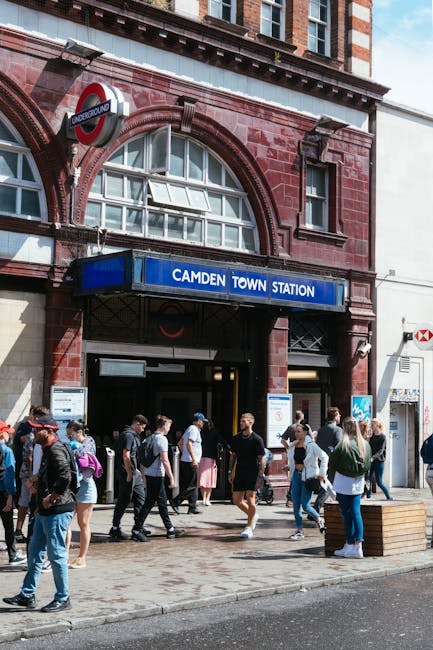
Pimlico station rubbish removal tips for commuters and shops
If you travel through Pimlico Station most days, you already know how quickly a tidy pavement can turn into a cluttered one. A spilled takeaway cup here, a broken box there, a shop bag left by the kerb, and suddenly the entrance looks messy before breakfast is over. These Pimlico station rubbish removal tips for commuters and shops are designed to help keep the area cleaner, safer, and far less stressful for everyone who passes through it.
Whether you manage a small shop, run a cafe, or just want a sensible way to deal with commuter litter on the way to the Tube, a simple routine makes a real difference. Not glamorous, admittedly. But very effective. In this guide, you'll find practical steps, local-minded advice, compliance notes, and a few small habits that save time and avoid headaches later.
Table of Contents
- Why Pimlico station rubbish removal tips for commuters and shops Matters
- How Pimlico station rubbish removal tips for commuters and shops Works
- Key Benefits and Practical Advantages
- Who This Is For and When It Makes Sense
- Step-by-Step Guidance
- Expert Tips for Better Results
- Common Mistakes to Avoid
- Tools, Resources and Recommendations
- Law, Compliance, Standards, or Best Practice
- Options, Methods, or Comparison Table
- Case Study or Real-World Example
- Practical Checklist
- Conclusion
- Frequently Asked Questions
Why Pimlico station rubbish removal tips for commuters and shops Matters
Pimlico Station sits in a part of London where footfall can change fast through the day. Morning commuters, lunchtime visitors, delivery drivers, evening shoppers, and people heading home all create small bursts of waste. One person's coffee cup becomes everyone else's problem if it ends up blocking a doorway or blowing into the road. That's why good rubbish removal habits matter more here than they might on a quiet residential street.
For shops, the issue is both practical and reputational. Customers notice overflowing bins, loose packaging, and bags left near entrances. Even if your products are excellent, a messy frontage can make people think the business is disorganised. For commuters, the concern is simpler: nobody wants to step around soggy food waste or nearly trip on a cardboard box in a rush to catch the train.
There's also a broader point. In busy transport areas, rubbish attracts more rubbish. A single abandoned bag often invites others to drop waste nearby. You see it happen all the time, especially at the end of a wet afternoon when people just want to get moving and forget about the bit of paper in their hand. A modest routine, carried out consistently, usually stops the mess before it snowballs.
If your business generates commercial waste rather than just a few stray wrappers, it is worth looking at a structured service such as business waste removal so waste does not linger around the station area longer than it should.
How Pimlico station rubbish removal tips for commuters and shops Works
At street level, rubbish removal near a station is really about three things: separating waste properly, storing it safely, and removing it before it becomes a nuisance. Simple idea, but the details matter. A shop with regular deliveries may need frequent cardboard clear-outs. A cafe may need food waste managed separately from packaging. Commuters, meanwhile, need easy places to dispose of a drink cup or sandwich wrapper without leaving it on a railing or bench.
For businesses, the process usually starts with identifying what kind of waste is produced. General waste, cardboard, plastics, food waste, broken fixtures, and occasional bulky items all behave differently. That matters because mixed waste is harder to remove responsibly and can lead to larger, messier storage areas. If you are dealing with furniture, shelving, or display units, options such as furniture disposal or furniture clearance may be more appropriate than trying to break everything down into ordinary bins.
For commuters, the "process" is smaller but still useful. Keep a tiny bag in your work tote or backpack for wrappers, tissues, and receipts. If you buy something on the move, finish it near a bin rather than carrying half a container of coffee around the station. It sounds obvious. People still forget, especially early in the morning.
Where waste becomes bulky, awkward, or time-sensitive, many premises benefit from a planned clearance rather than ad hoc bin juggling. That may also apply when a shop is closing, refurbishing, or rearranging stockrooms. In those cases, a broader service like waste removal can be more practical than trying to manage everything yourself.
Key Benefits and Practical Advantages
Good rubbish habits around Pimlico Station deliver more than a tidy pavement. They save time, lower stress, and reduce the odds of complaints from neighbours, customers, or the local community. That last bit matters. A small pile of rubbish can become a big issue once wind, rain, and passers-by get involved.
Here's what you gain when the system is decent:
- Cleaner shopfronts: A tidy entrance feels more welcoming and more professional.
- Safer walking routes: Less clutter means fewer trip hazards and fewer blocked doorways.
- Better pest control: Food waste and loose packaging are an open invitation to birds and rodents.
- Faster closing routines: Staff can clear down efficiently instead of hunting for somewhere to put things.
- Less last-minute panic: Nobody wants a bin bag explosion just as a delivery is arriving.
There is also a morale benefit that is easy to miss. Clean surroundings tend to make people behave more neatly. It's a bit of a snowball effect, just in the good direction for once. A commuter is less likely to drop litter where the area already looks cared for. Staff are more likely to keep a stockroom in order if they are not stepping over old packaging all week.
For some businesses, there is a financial angle too. Clearing waste regularly can prevent overfilled bins, repeated callouts, and avoidable damage to stored stock. If you are comparing service levels or planning a more formal arrangement, take a look at pricing and quotes so you can judge options sensibly rather than guessing.
Who This Is For and When It Makes Sense
This topic is not just for station managers or large retailers. It is relevant to a long list of people and businesses around the Pimlico area.
You will find these tips useful if you are:
- a commuter who regularly buys food, drinks, or newspapers on the move
- a cafe, takeaway, convenience store, or sandwich shop near the station
- a small office with staff coming and going through the day
- a landlord or managing agent dealing with mixed-use premises
- a shop owner handling packaging, display waste, or occasional bulky items
- a trader refreshing stockrooms or dealing with end-of-line inventory
It makes sense to act early if you see one or more of these signs: bins fill too quickly, rubbish gets left beside the container, customers complain about odour or mess, or staff are spending too long "just taking out the bins". That last one is a classic hidden drain on time. Not dramatic, but it adds up.
And sometimes the trigger is a one-off event. A weekend clearance, a new delivery schedule, a burst of takeaway traffic, or a shop refit can suddenly create more waste than usual. If the waste includes fixtures, damaged stock, or office contents, services like office clearance can be useful, especially for businesses with back-office space above or near the station.
Step-by-Step Guidance
Here is a straightforward way to manage rubbish near Pimlico Station without overcomplicating things.
- Identify the main waste streams. Separate everyday litter, cardboard, food waste, mixed packaging, and bulky items. Don't leave this vague. Vague waste plans become messy waste plans.
- Place bins where they are actually used. If people have to walk too far, they will often leave litter somewhere convenient instead. Human behaviour, unfortunately, is not always elegant.
- Use clearly labelled containers. Staff and commuters respond better when bins are obvious. Labels help reduce contamination and confusion.
- Set collection times around footfall. For shops, a mid-afternoon or after-closing routine often works better than waiting until the end of a busy trading day.
- Flatten packaging before storage. Cardboard boxes eat space fast. Flattened boxes are easier to stack, safer to move, and less likely to spill.
- Keep heavy or sharp items separate. Broken fittings, glass, and metal should not sit loose with general rubbish.
- Book removal before the pile grows. Once waste starts spilling into customer areas or service corridors, it becomes harder and more expensive to handle.
For businesses with recurring volumes, an organised collection plan usually works best. If you want a service arrangement that fits a commercial setting rather than a one-off domestic tidy-up, book online when you are ready to move things forward.
A small but useful habit: end each day by checking the "usual trouble spots" - behind the till, near the stockroom door, by the entrance, and around any delivery point. Those are the places where rubbish quietly gathers while nobody is looking.
Expert Tips for Better Results
In our experience, the best rubbish systems are the boring ones that staff can follow without thinking too hard. Complicated systems fall apart by Thursday. The aim is consistency, not perfection.
Try these practical tips:
- Size bins to match reality, not hope. A tiny bin in a busy shop just creates overflow.
- Keep a spare liner stack close by. If replacements are tucked away in a cupboard across the room, people delay changing the bag.
- Train staff on what not to mix. One contaminated bag can undo a neat separation system.
- Use closed lids where possible. They reduce smell, rainwater, and visual clutter.
- Watch for seasonal spikes. Rainy days, tourist bursts, or holiday shopping can change waste levels quickly.
- Make one person responsible each shift. Not forever. Just enough to stop the "someone else will do it" problem.
If your waste includes broken appliances, microwaves, or refrigeration units, do not treat them like regular junk. They need the right handling, and in some cases a specialist collection route. A page like fridge and appliance removal is the kind of thing to check before anyone starts dragging a heavy unit down a staircase.
One more thing: keep your external area as uncluttered as possible. Even a tidy pile can look like a mess if it sits beside a doorway too long. People judge with their eyes first. Always do.
Common Mistakes to Avoid
Most rubbish problems near stations are not caused by one dramatic failure. They come from little oversights repeated for weeks. Here are the ones that crop up most often.
- Leaving bags outside too early. This makes them vulnerable to weather, birds, and opportunistic littering.
- Mixing cardboard with general waste. It wastes space and makes recycling harder.
- Ignoring small spillages. A few crumbs or a torn bag can lead to a larger mess fast.
- Relying on one overloaded bin. When the bin is full, people still need somewhere to put rubbish. If you do not provide it, they improvise.
- Forgetting bulky items. One broken chair in a corner can make an otherwise tidy area look abandoned.
- Not considering odour. Food waste left too long becomes noticeable very quickly, especially in warm weather.
Another common issue is treating every item the same. That approach is convenient for about ten minutes, then it becomes a storage headache. If you are unsure what should be kept back, removed separately, or bundled with other waste, the guidance on what can go in a skip is a useful reference point even if you are not using a skip exactly.
And yes, there is a tendency for "temporary" rubbish to become permanent. A box left in a corner on Monday is somehow still there on Friday. It happens to the best of us.
Tools, Resources and Recommendations
You do not need a warehouse of equipment to keep rubbish under control. A few sensible tools go a long way.
Useful items for commuters and shops include:
- small pedal bins for back-of-house use
- heavy-duty bin liners for wet or mixed waste
- lidded outdoor containers where allowed
- labels for recycling, food waste, and general waste
- gloves and simple cleaning materials for staff
- stackable storage for flattened cardboard
For larger cleanouts, think beyond bins. Trolleys, dollies, and sturdy moving sacks make a surprising difference when shifting bulky waste from the rear of a shop. Nobody enjoys carrying awkward loads in a rush, especially through narrow corridors or busy pavements.
Where larger clearances are needed, a service-led approach can be simpler than piecing things together yourself. For example, a shop refit might benefit from builders waste clearance, while a premises with old stockroom furniture may need furniture handling and disposal. If the waste is more household-like, home clearance or house clearance can be relevant for mixed contents.
Where trust and process matter, it helps to know a provider's approach to service and handling. Pages such as about us, insurance and safety, and health and safety policy can be useful for checking how a business works before you commit.
Law, Compliance, Standards, or Best Practice
For shops and businesses, rubbish removal is not only about tidiness. You should be mindful of duty of care, safe storage, and reasonable disposal practices. In plain English, that means you should know what you are handling, keep waste secure, and make sure it is passed on to the right place through a legitimate route.
If your waste contains confidential material, it is wise to use a secure process rather than putting papers into general waste. The same goes for sharp, hazardous, or contaminated items. Not all waste is equal, and the wrong mix can create avoidable risk. A service such as confidential shredding is relevant when documents need secure disposal.
Likewise, hazardous or unusual items deserve careful handling. Paints, chemical containers, and certain cleaning products should not be treated like cardboard or food packaging. If in doubt, check internal handling rules or seek specialist support through hazardous waste disposal. That is the sensible route, full stop.
It is also good practice to keep waste off shared walkways, fire exits, and access routes. That matters for safety and for day-to-day operations. A blocked passageway can be more than inconvenient; it can create real risk and attract complaints. If you want to understand how a provider frames these responsibilities, the payment and security and terms and conditions pages can help you see how bookings and service expectations are handled.
Best practice, frankly, is simple: segregate waste, store it safely, remove it promptly, and keep records where appropriate. Boring? Yes. Necessary? Absolutely.
Options, Methods, or Comparison Table
Different waste situations need different approaches. A commuter dropping a coffee cup is not the same as a shop clearing several sacks of packaging. Here is a straightforward comparison.
| Method | Best for | Strengths | Limitations |
|---|---|---|---|
| On-site bins and daily staff checks | Small, regular waste | Simple, low-cost, easy to maintain | Can overflow quickly if footfall rises |
| Scheduled commercial collections | Shops with steady waste output | Predictable, cleaner frontage, less manual handling | Needs planning and regular oversight |
| One-off clearance | Refits, stock changes, or closing-down jobs | Fast, efficient, removes bulk waste in one go | Not ideal for ongoing daily waste |
| Specialist disposal for specific items | Appliances, furniture, hazardous items | Safer and more compliant | Requires correct categorisation |
For many Pimlico businesses, the right answer is a mix. Daily bins for routine waste, plus occasional clearances for bulky or awkward items. That balance keeps the premises manageable without paying for more than you actually need.
If you are trying to decide whether a regular service or a one-off job is the better fit, start with how quickly waste accumulates, whether staff are handling it safely, and whether the waste affects customer experience. Those three questions usually make the answer obvious enough.
Case Study or Real-World Example
Picture a small cafe near Pimlico Station on a damp Tuesday morning. By 9:15, the bin beside the counter is already half full with napkins, lids, and sandwich wrappers. By lunchtime, the cardboard from milk deliveries is leaning against the back door, and one bag has been tied too tightly, which is always a sign it will split at the worst possible moment.
The owner makes three changes. First, cardboard is flattened immediately instead of stacked in random piles. Second, waste checks are scheduled for before the lunch rush, not after. Third, a separate container is used for heavier food waste so the general bin stops turning into a soggy mess. Nothing dramatic. Just sensible adjustments.
Within a week, the entrance looks cleaner and the back area feels less chaotic. Staff are not wasting time hunting for bin space, and the shopfront feels more welcoming to people stepping off the station platform. A tiny win, but a real one. That is often how it goes with rubbish removal - small operational tweaks make the biggest difference.
For a different scenario, think of a shop refurb where old shelving, damaged fittings, and packaging all need moving out in a short window. That is where a more structured service becomes useful, especially if you need help with mixed materials and bulky items. In those moments, having a clear plan matters more than speed alone.
Practical Checklist
Use this checklist before the next busy day or collection slot.
- Are your bins the right size for current footfall?
- Are labels clear enough for staff and customers to follow?
- Is cardboard being flattened and stored neatly?
- Are food waste and general waste kept separate where practical?
- Are any sharp, heavy, or unusual items isolated safely?
- Is there a regular time for checking the bin area?
- Are bags stored out of the way of customers and pedestrians?
- Have you made a plan for bulky items, not just daily litter?
- Are you using the right disposal route for confidential or hazardous waste?
- Do staff know who is responsible when a bin fills early?
If you can tick most of those off, you are already ahead of the usual street-level mess. If not, don't worry. Start with two or three changes and build from there. That approach tends to stick better anyway.
Conclusion
Keeping the area around Pimlico Station tidy is not about chasing perfection. It is about preventing small waste problems from becoming daily frustrations for commuters, staff, and shop owners. The best rubbish removal habits are simple, repeatable, and easy to maintain even on busy days.
For commuters, that means carrying litter until you find a proper bin and not leaving waste on railings, ledges, or the pavement. For shops, it means separating waste properly, storing it safely, and arranging removal before clutter gets in the way of business. Once you get the routine right, the benefits show up almost immediately in appearance, safety, and peace of mind.
If you are dealing with regular commercial waste, bulky items, or a one-off clearout, it is worth taking the next step rather than letting the pile grow. A tidy frontage sends a better message than any signboard ever could, and in a busy place like Pimlico, people notice.
Get a free quote today and see how much you can save.
Clean spaces feel better to work in, easier to walk through, and a little kinder to everyone's morning. That's not a small thing.
Frequently Asked Questions
What is the best rubbish removal routine for a shop near Pimlico Station?
The best routine is usually a mix of clearly labelled bins, daily checks, flattened cardboard storage, and scheduled removal before waste overflows. It should be simple enough for staff to follow every shift.
How often should shops remove waste near a busy station area?
That depends on trade levels, but busy food-led or high-footfall shops often need more frequent checks than once a day. If bins fill quickly or smells become noticeable, the schedule is too light.
Can commuters help keep Pimlico Station cleaner?
Yes. The simplest step is to keep litter with you until you reach a bin and avoid leaving cups, wrappers, or tissues on seats, ledges, or the ground. Small habits matter more than people think.
What waste is most common around station shops?
Cardboard, drink cups, food packaging, napkins, and delivery wrapping are common. Shops often also deal with broken fixtures, old displays, or end-of-day food waste.
What should a shop do with bulky items like old shelving or furniture?
Bulky items should be removed separately rather than pushed into general waste bins. For larger pieces, services such as furniture disposal or furniture clearance are often more practical.
Is it okay to leave rubbish bags outside overnight?
Usually it is not ideal. Bags left outside can attract pests, tip over in wind, or create mess for pedestrians. It is better to store them securely and remove them promptly.
How do I reduce smells from rubbish in a small shop?
Use lidded bins where possible, remove food waste regularly, and avoid leaving damp waste sitting too long. A quick clean of the bin area also helps more than most people expect.
What happens if waste is mixed up incorrectly?
Mixed waste is harder to handle, less efficient to remove, and more likely to cause storage problems. Separating waste streams makes disposal cleaner and easier to manage.
Do I need a specialist service for confidential papers?
If papers contain sensitive business or customer information, a secure disposal route is a sensible choice. Confidential shredding is the safer option rather than using general waste.
What if my waste includes damaged appliances or fridges?
Appliances should not be treated like ordinary rubbish. They need the correct handling and removal method, especially if they contain electrical components or refrigerant. Fridge and appliance removal is the relevant kind of service.
How do I know whether I need regular waste removal or a one-off clearance?
If waste builds up every week as part of normal trading, a regular arrangement makes sense. If the issue is a refit, closure, move, or stockroom overhaul, a one-off clearance is usually better.
Where can I find more information about safe and responsible disposal?
Useful starting points include pages on recycling and sustainability, health and safety policy, and waste handling. They help you understand how a provider approaches responsible disposal and day-to-day safety.